1. Arrival in the Heart of Waikato
Landing in the lush heartland of the North Island, the transition into Hamilton begins not with a bold skyline or dramatic coastlines, but with an understated elegance—rolling hills, sweeping farmland, and the Waikato River weaving its way like an ancient thread through the city’s core. The first thing that strikes is the light: a soft, almost painterly glow that dances across the landscape from dawn to dusk. It isn’t harsh or piercing but carries the kind of warmth that urges a camera to be drawn.
The city breathes differently. It’s not in a hurry, but it isn’t sleepy either. There’s a quiet rhythm—steady, welcoming, and patient. The moment feet touch the ground at Hamilton Airport, there is an immediate instinct to reach for the lens cap and begin.
2. Hamilton Gardens: A World Tour Without Leaving the City
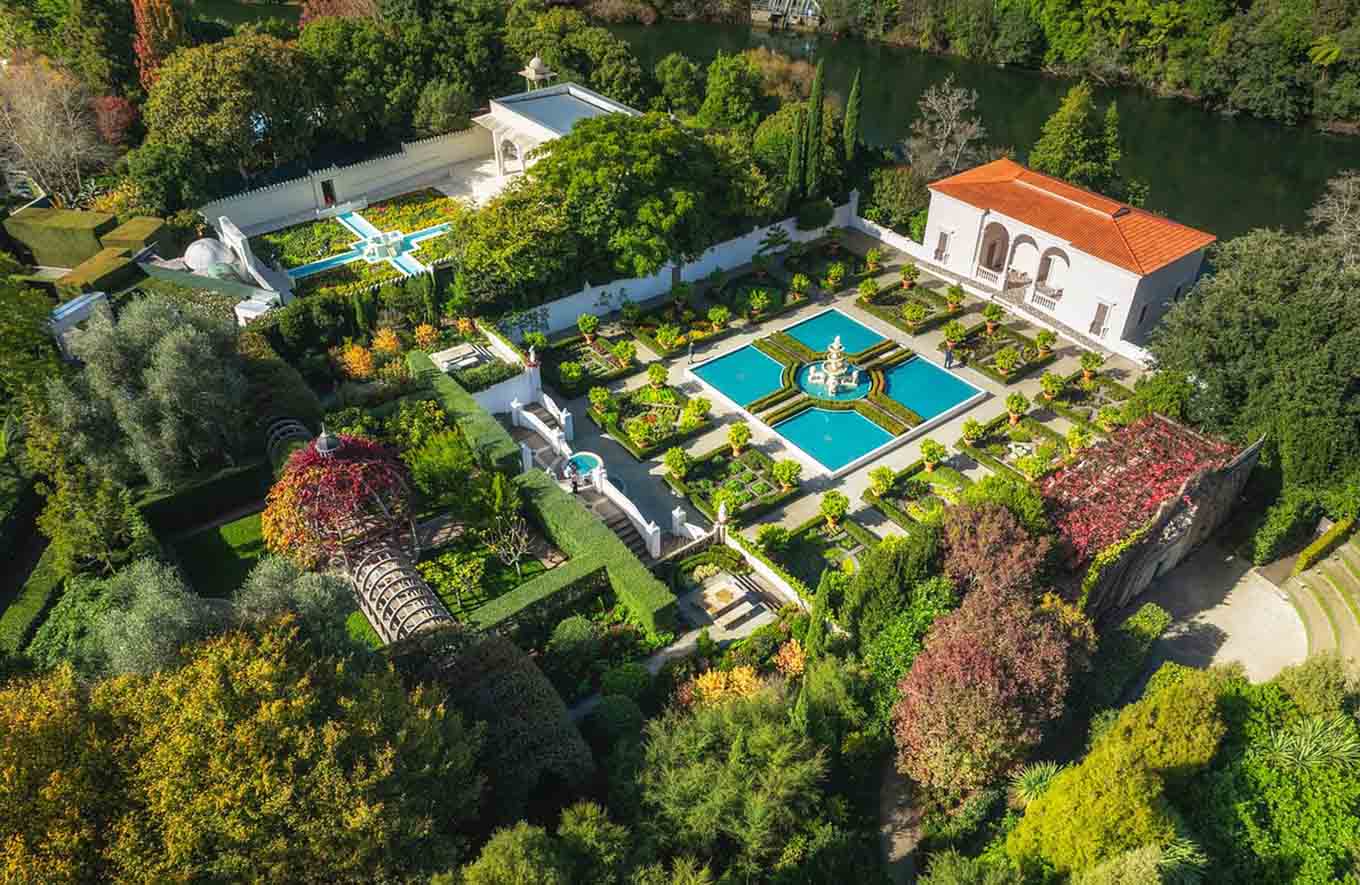
The Hamilton Gardens are not just gardens in the traditional sense; they are an architectural and horticultural mosaic of civilizations. Each section is a portal into a different culture, time, and design philosophy. Walking through the gardens is akin to passing through centuries in a matter of steps. For any photographer, it is a treasure trove of contrasting colors, symmetrical perfection, and cultural narratives carved into flora and stone.
The Italian Renaissance Garden is a study in geometry and classical beauty. Shooting early in the morning, before the foot traffic arrives, captures the stillness that mirrors paintings from the Medici era. The shadows of marble statues stretch long, and the sunlight skims the tops of hedges like fingers tracing the edges of history.
Move into the Indian Char Bagh Garden and the palette shifts entirely. Rich maroons, golds, and greens dominate the frame. The reflecting pools present a chance to experiment with symmetry and reflection, while the scent of jasmine and rose dances through the air. Light hits the domes and archways in ways that transform every ordinary angle into a composition worthy of album covers.
Then there’s the Japanese Garden of Contemplation. Subtle. Minimal. Where every photograph must slow down to consider balance. The raked gravel, the positioning of stones, and the precise pruning of pines are all deliberate acts of stillness. A moment spent waiting for a koi to emerge just beneath the bridge becomes a quiet victory of patience and timing.
No two visits to Hamilton Gardens yield the same photographs. The changing light, the drifting clouds, the seasonal blooms—all become collaborators in the visual story.
3. The Waikato River Trails: A Moving Frame
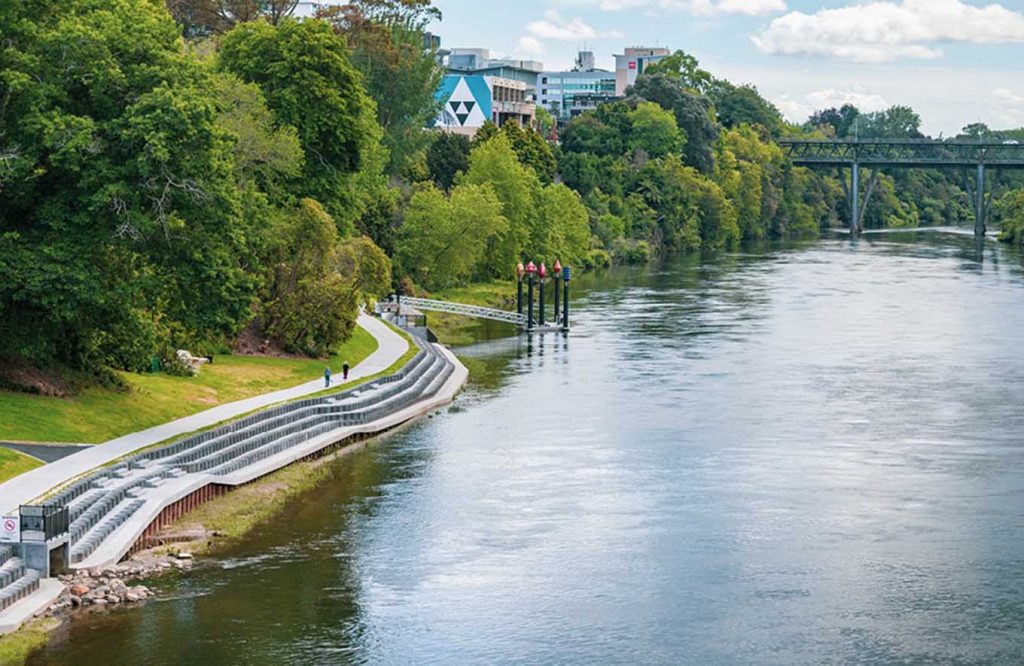
The mighty Waikato River—the longest river in New Zealand—threads through Hamilton like an artery. Its presence is constant, and yet never overbearing. Along its banks lie trails that are a continuous gift to anyone with a camera slung over their shoulder.
Begin at Victoria Bridge. The early morning mist, especially in spring, casts a soft veil over the water, with the city slowly emerging behind it. Long exposure shots from the bridge capture the flow of the river with silky precision. As the sun rises higher, the reflections intensify—trees, houses, even passing kayaks mirrored perfectly in the water below.
Following the trail north, there are moments when the river vanishes behind a curtain of trees, only to reappear framed by arching branches and native flax. There’s a sense of being led through a film reel of natural compositions. Occasionally, bridges offer elevated perspectives, while rest spots along the trail allow time to capture the slow drift of clouds overhead.
Even the sounds assist the process—birds calling from across the water, the gentle rustle of breeze in the reeds, and the splash of a fish breaking the surface. Each adds to the atmosphere, deepening the immersion, urging the lens to stay out just a little longer.
4. Lake Rotoroa (Hamilton Lake): A Living Canvas
Located just a short distance from the city center, Lake Rotoroa presents itself as both a tranquil refuge and a dynamic photographic subject. From sunrise to twilight, it transforms continually under the sky’s influence.
In the early hours, a hush blankets the lake. Mist curls around the edges of the boardwalk, and waterbirds glide silently across the glassy surface. The reflections here are flawless. Ducklings follow their mothers in single file, reeds bow gently in the morning air, and the sun begins to warm the trees along the banks.
The loop around the lake offers multiple perspectives—from wide, panoramic views to intimate close-ups of fungi clinging to fallen logs, or dew glistening on spiderwebs stretched between cattails. The viewing platforms serve as excellent vantage points for capturing the interplay of wildlife and water.
As dusk approaches, the lake becomes an arena of color. The sky erupts in shades of tangerine, rose, and indigo, mirrored across the lake in surreal harmony. Silhouettes of trees, joggers, and benches become bold outlines in the foreground of burning skies. No two evenings are alike, and every visit rewards a return.
5. Taitua Arboretum: A Forested Dreamscape
Venturing slightly beyond the urban grid, the Taitua Arboretum beckons with its network of woodland paths and open meadows. This is where Hamilton reveals a more untamed, almost dreamlike side.
Towering trees reach skyward like cathedral pillars, their canopies dappling the earth below in shifting patterns of light and shade. The silence here feels reverent. Photographers will find ample opportunities for atmospheric captures—soft-focused forest paths vanishing into mist, tree roots winding like ancient veins across the forest floor, and ponds that quietly cradle the sky.
In autumn, the arboretum becomes a riot of color. Leaves cascade in golden waves, and the paths are lined with fiery reds and burnt oranges. The juxtaposition of evergreens with seasonal flora creates rich contrasts that reward patient exploration. Wildlife, too, plays a role—fantails, tui, and wood pigeons often make surprise cameos in compositions.
6. Zealong Tea Estate: Lines, Light, and Landscape
North of Hamilton lies the Zealong Tea Estate, New Zealand’s only commercial tea plantation. It is a study in precision, texture, and serenity.
From a photographic standpoint, the plantation presents endless rows of manicured tea plants that ripple across the hills in verdant symmetry. Capturing the patterns—especially during golden hour—is both a technical and artistic pleasure. The lines lead the eye through the frame, offering depth and rhythm.
Beyond the rows, the estate’s design blends Asian and European elements with New Zealand’s rural charm. White tea houses, statues, and a central water feature all provide visual anchors. Shooting here, especially with a drone or from an elevated angle, unveils the geometric beauty of the estate in full.
The tea-tasting room, with its glass walls and high ceilings, is equally photogenic. Light pours in, catching the steam rising from cups, highlighting the delicate porcelain and polished wood. A lifestyle shoot here, blending candid moments with product detail, yields a magazine-worthy spread.
7. Raglan Excursion: Coastal Drama an Hour Away

Though not within Hamilton’s city limits, the coastal town of Raglan is within easy reach and offers a starkly different aesthetic. The drive itself is a meditative progression from pasture to coastline. Upon arrival, the color palette shifts—deep ocean blues, black sands, and sun-bleached driftwood take center stage.
Raglan’s Ngarunui Beach is a playground for long exposure photography. Waves crash in rhythmic cycles, surfers carve elegant lines into the sea, and the horizon remains defiantly infinite. Capturing the motion of water against rock, or the pause of a surfer silhouetted against the setting sun, is an endlessly rewarding endeavor.
Then there’s Bridal Veil Falls, a short drive inland from Raglan. This 55-meter cascade plunges through a dramatic cleft into a circular pool. Multiple viewing platforms allow for shots from various angles—each revealing new dimensions of light, mist, and power. On cloudy days, the scene transforms into something primal and cinematic.
8. The Street Life and Night Lights of Hamilton Central
The urban heart of Hamilton may not have towering skyscrapers, but it possesses a charisma that reveals itself under the right light. Along Victoria Street, café signs flicker, street art punctuates alleyways, and vintage brick façades catch the glow of passing headlights.
At night, the river becomes a ribbon of reflected neon, and bridges glow in symmetrical lines of white and gold. The city’s compactness works in the photographer’s favor—everything is walkable, and one can move quickly from bustling street corners to serene riverside shots.
Late-night long exposures bring Hamilton to life in a new way: headlights become trails of light, the movement of pedestrians a soft blur of humanity against the backdrop of still architecture. Photographing bar fronts, with their open windows and live music spilling out, captures a slice of cultural vibrancy unique to Hamilton’s youth-driven energy.
9. Dawn from the Hakarimata Summit
A short drive and a moderate climb leads to the Hakarimata Summit, offering a panoramic view that demands an early morning ascent. Reaching the summit before sunrise provides a spectacle that few cameras can do justice to, though every attempt feels worthwhile.
The Waikato Basin spreads out below like a topographical map, veiled in fog that slowly retreats as the sun asserts itself. Shadows creep across the land, and light pours over hills like liquid gold. The silence here is broken only by birdsong and breath, and every direction offers a composition—wide shots of the land, macro shots of frost-kissed foliage, and backlit portraits against a canvas of sky.
Every photograph taken from Hakarimata carries with it the physical effort of the climb. It isn’t just a location; it’s a ritual. A place where photography intersects with experience, memory, and awe.