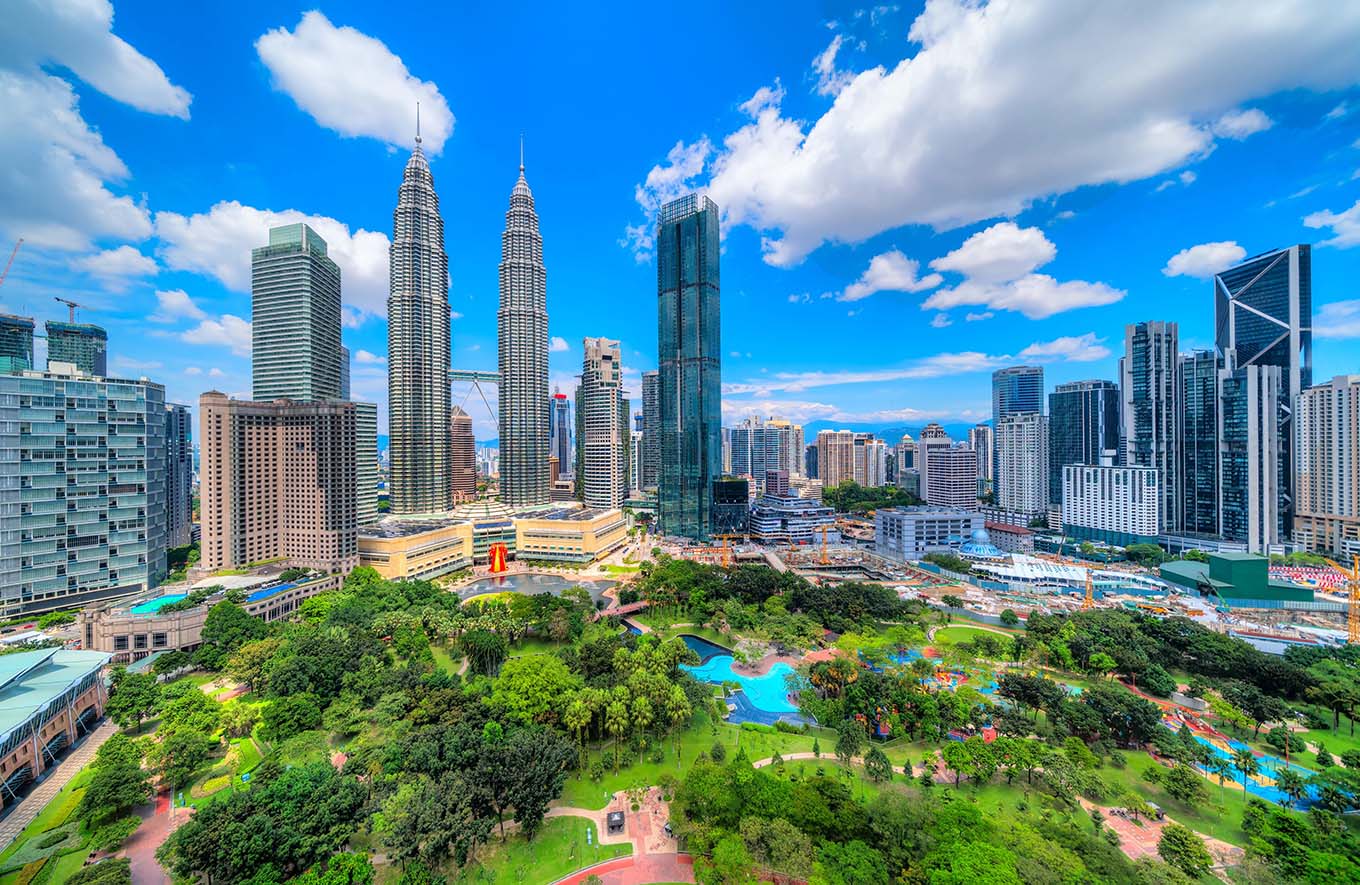
1. A Morning Stroll Through the Hamilton Farmers’ Market
The day began with a soft, cloud-streaked sunrise over the Waikato River, its waters humming a quiet song as if rehearsed by the mist. Hamilton Farmers’ Market greeted the morning like a treasured ritual—alive with the aromas of roasted coffee, beeswax, and oiled timber. The market, held every Sunday at Claudelands Events Centre, was more than a place for fresh produce. It pulsed with stories, hands, and heritage—an incubator for Waikato’s creative soul.
At the far end of the stalls, a woodworker named Maureen displayed cutting boards with Koru patterns etched along their grain. She explained how she uses native rimu and totara, each board aged naturally in her workshop for months before carving. Her work, unvarnished but polished to a satin finish with beeswax, carries not only the marks of her tools but the whisper of the forest. Her boards aren’t simply utensils; they are sculptures in daily use.
2. The Clay Whisperers of Frankton
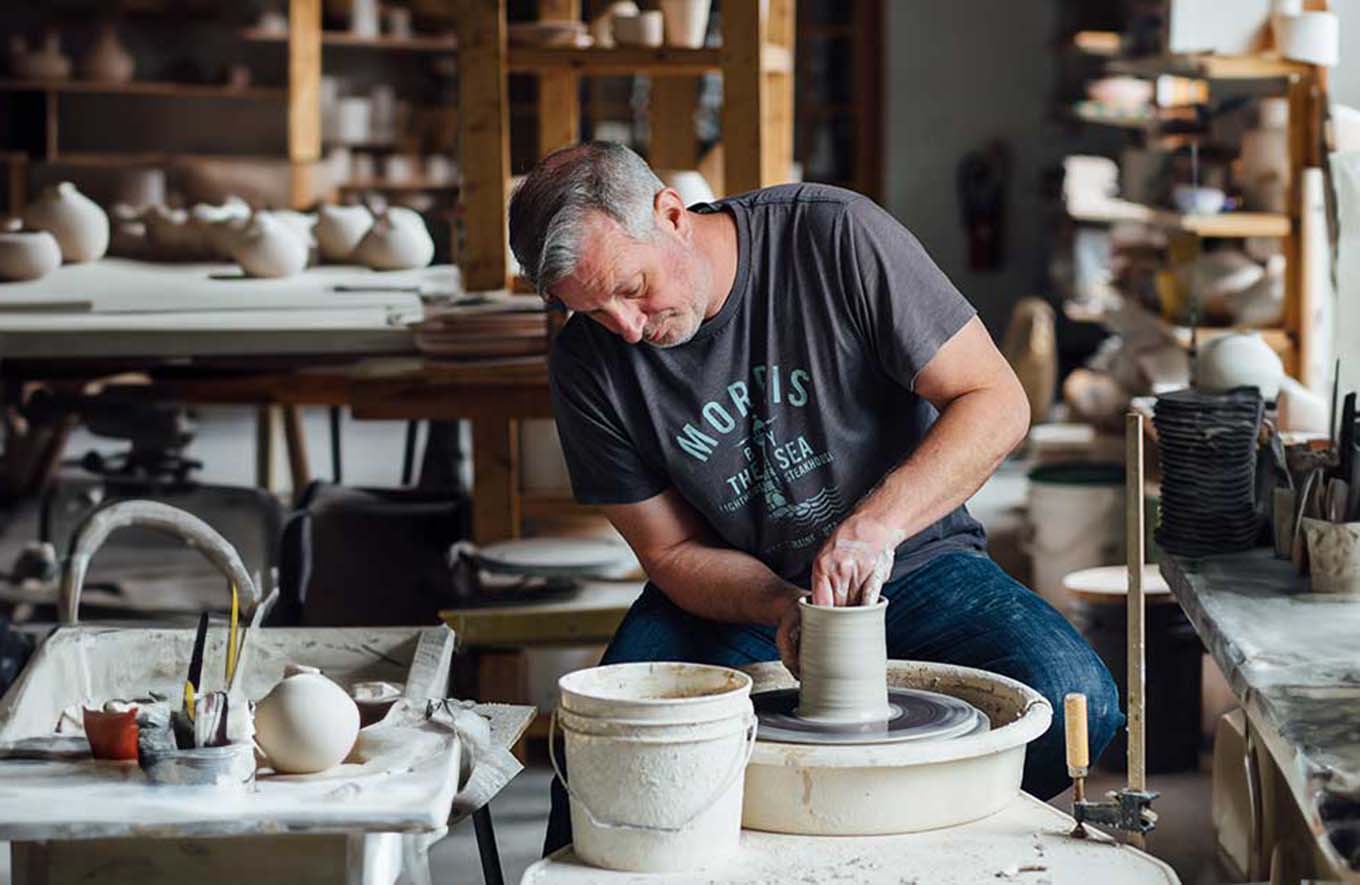
On Saturday morning, Frankton Village transforms into a hub of artisan energy. Tucked between vintage bookstores and 1950s-era dairies is a pottery studio run by an older couple known to locals simply as Joy and Tane. Their small shop—no name on the door, just the glint of ceramics through the window—reveals the delicate dialogue between fire and clay.
Joy’s glazes shimmer in glacial blues and volcanic ash greys, inspired by the geothermal palette of Rotorua, where she learned her craft. Tane focuses on teapots and vessels shaped with symmetry that echoes Māori kowhaiwhai patterns. They told me they dig their own clay from a streambed outside Raglan. Each piece carries the tactile terrain of the Waikato region, fine and slightly speckled, making every cup feel as though it holds a slice of New Zealand’s earth.
Their raku-fired pieces in particular stood out. The unpredictable crackle from the smoke and flame ensures that no two bowls are ever alike. Picking one up, I could feel the pulse of the kiln—alive, even when cooled.
3. Wool and Weave: The Tactile World of New Zealand Textiles
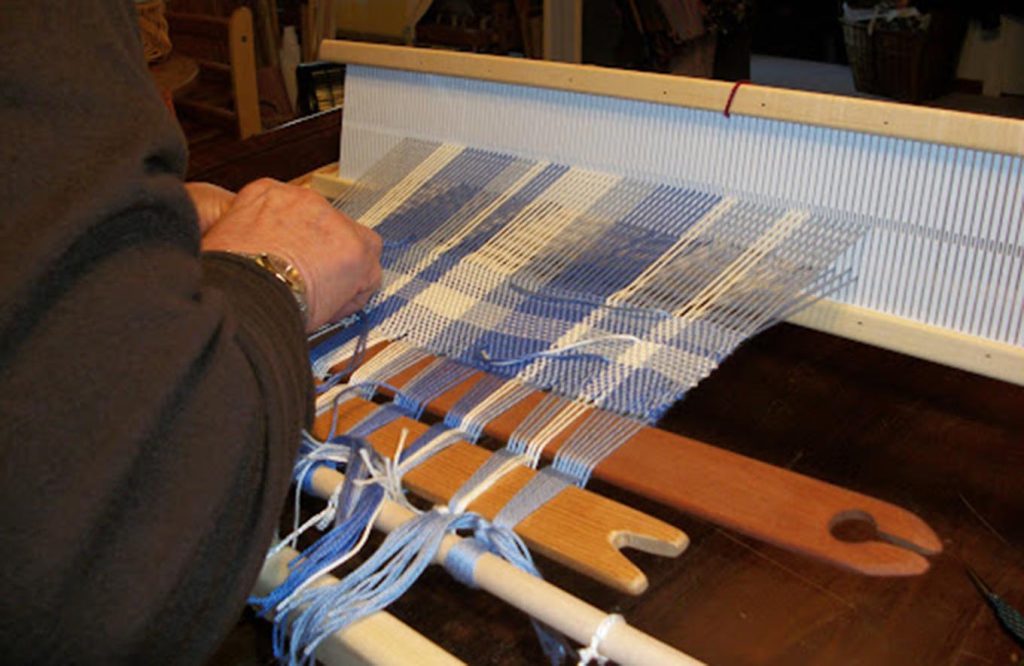
Further south, in a converted farmhouse near Te Awamutu, I visited a weaving collective run by three generations of women. The scent of lanolin mingled with the dust of spinning wheels as I stepped inside. They specialize in wool sourced from rare heritage sheep breeds like Gotland and Arapawa, dyed using native plants—kōwhai flowers, harakeke pods, and walnut husks.
One shawl caught my eye: dyed a deep, forest green and woven so finely it resembled silk. It was made from possum-merino blend, a textile unique to New Zealand, soft to the touch and warmer than cashmere. They showed me how they blend it by hand, the possum fur added not just for warmth, but as a conservation effort to control the invasive species.
Their looms clacked rhythmically as they worked. Threads lifted and fell like lines of poetry. These textiles, I was told, are made to last not years, but lifetimes. It’s a philosophy steeped in both necessity and reverence—a counterpoint to disposable fast fashion.
4. Greenstone Guardians: The Carvers of Pounamu
In a modest studio near the Waikato Museum, I encountered a group of jade carvers who specialize in pounamu—greenstone sacred to Māori. The studio was quiet, save for the occasional soft hum of a rotary tool shaping the stone. The carvers work slowly, respectfully, often waiting weeks before beginning a piece to “get to know the stone.”
Each pendant, or hei tiki, is more than ornament. These are spiritual artifacts, traditionally worn as protection or symbols of lineage. One of the artists explained that they never carve pounamu without blessing it first, and many prefer not to sell to tourists unless the buyer shows sincere interest in its cultural meaning.
I watched as a carver smoothed the edges of a spiral-shaped koru, its surface catching the light like water on moss. He told me that particular stone came from the Arahura River, its journey across the island just as storied as the carving itself.
5. Ink, Leather, and Iron: Hamilton’s Urban Artisans
Venturing into the heart of Hamilton East, where creative energy and historic architecture meet, I discovered a cluster of workshops that blur the lines between traditional craftsmanship and contemporary design. On Grey Street, a compact storefront emits the unmistakable smell of leather—oak bark, beeswax, and tanned hide. Inside, handmade satchels and belts hang from iron hooks like relics of a more deliberate age.
The leatherworker, who introduced himself only as “Elliot,” sources hides from ethical New Zealand farms and dyes them using bark extracts and copper salts. His satchels are stitched by hand with waxed linen thread—no machine in sight. He showed me the difference between his bridle leather and a cheaper chrome-tanned sample, explaining how each piece of hide changes with the weather, the oils from the hand, the rhythm of wear.
Next door, a blacksmith’s forge crackled in a space no larger than a garden shed. The smith—Isla—produces fireplace tools, gate latches, and even knives, all forged from recycled railroad steel. Watching her hammering a red-hot blade on the anvil, I was reminded that even in the digital age, some of the most useful tools are still born from fire and sweat.
6. Waikato Wicks: Beeswax and Botanical Alchemy
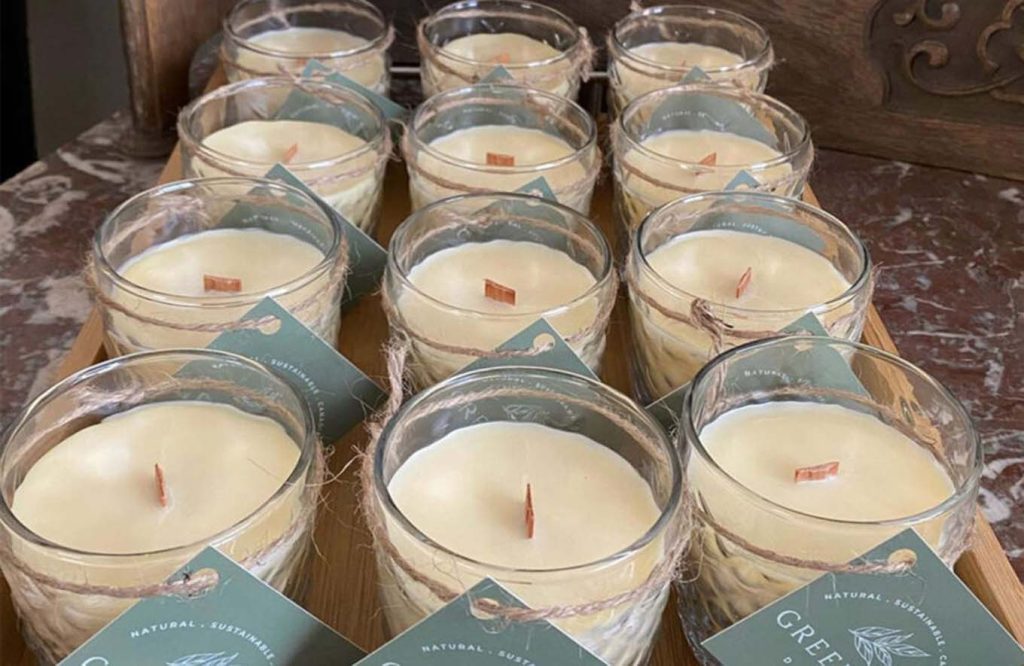
Nestled near Hamilton Gardens is a modest workshop producing handcrafted candles infused with native botanicals. Each candle is poured into hand-thrown ceramic vessels and topped with locally sourced dried flora—manuka flowers, lavender sprigs, even tiny pinecones from Lake Taupo.
The artisan, a soft-spoken woman named Anika, walked me through her process: beeswax harvested from her uncle’s apiary in Cambridge, essential oils distilled from plants she grows herself, and a wicking method borrowed from a 19th-century maritime design that ensures an even, slow burn.
Her candles are more than decor—they are functional rituals. Lighting one feels like kindling a forest. The blend of scent, fire, and form turns each candle into a moment of quiet ceremony, ideal for travelers seeking a sensory memory to carry home.
7. From Ferns to Frames: Botanical Pressing in Suburban Studios
In a sunlit studio behind a rose-covered villa, two sisters create pressed fern artworks using local flora foraged from the hills around Pirongia. Their pieces are framed in recycled rimu or upcycled window panes from abandoned barns.
What struck me most was the level of patience involved. Leaves must be dried for weeks under weighted parchment before being arranged and pressed onto acid-free linen. Their aesthetic is part Victorian herbarium, part Japanese minimalism—each composition a quiet study in shadow and symmetry.
They guided me through their collection: fronds of silver fern (ponga), sprays of pōhutukawa blossom, even the rare alpine buttercup, legally collected under license. Each frame tells the story of a landscape not merely visited, but honored through preservation and design.
8. Hamilton Gardens’ Artisan Market: Nature as Muse
Held monthly, the Artisan Market at Hamilton Gardens merges the natural beauty of curated landscapes with the craftsmanship of the region’s best makers. The stalls wind around the thematic gardens—from the Italian Renaissance courtyard to the Zen Garden—allowing shoppers to browse surrounded by horticultural storytelling.
I met a watercolorist painting native birds on mulberry paper using brushes fashioned from possum hair and bamboo. Her works blend scientific illustration with folk art—tūī perched among flax blooms, or kererū nestled in puriri branches. She explained how the pigments were ground from local minerals and suspended in gum arabic, following techniques she learned from 18th-century botanical artists.
Nearby, a jeweler displayed delicate pieces made with pāua shell, mother of pearl, and volcanic obsidian. One necklace—glinting with the sea-green iridescence of pāua—was shaped like a fern unfurling. The artist said she draws her inspiration from the transition between land and sea, something only a New Zealand artist could fully express.