1. Touching Down in Waikato: A Land Rich in Soil and Soul
The soft hum of the aircraft quieted as the wheels touched down on the tarmac at Hamilton Airport. The morning sun painted golden hues across the verdant pastures of the Waikato region. Rolling green hills stretched into the distance like a living canvas. There was a distinct crispness in the air, carrying with it a scent of grass, woodsmoke, and something unnameably clean. Beneath the calm surface of this modest city beat a vibrant culinary heart, one that would reveal itself in layers, like a slow-simmered stew.
Hamilton might not be the first name that springs to mind when thinking of culinary destinations. But the city has quietly carved out a reputation as a hub for gastronomic experimentation rooted in heritage. Here, Māori traditions meet the legacies of British settlers, accented by the diverse flavors introduced by later waves of immigrants. It’s a culinary melting pot where recipes are treasured but not confined by history, where boundaries between “old” and “new” blur deliciously on every plate.
2. Morning Beginnings: The Art of the Kiwi Breakfast
The first morning began on Hood Street, one of Hamilton’s more energetic stretches, lined with leafy trees and small businesses with a boutique feel. A café called The River Kitchen caught the eye, not only for its location near the Waikato River but for the small crowd patiently waiting outside. Inside, sunlight bounced off vintage hardwood floors. The air was thick with the rich aroma of espresso, sourdough, and slow-roasted tomatoes.
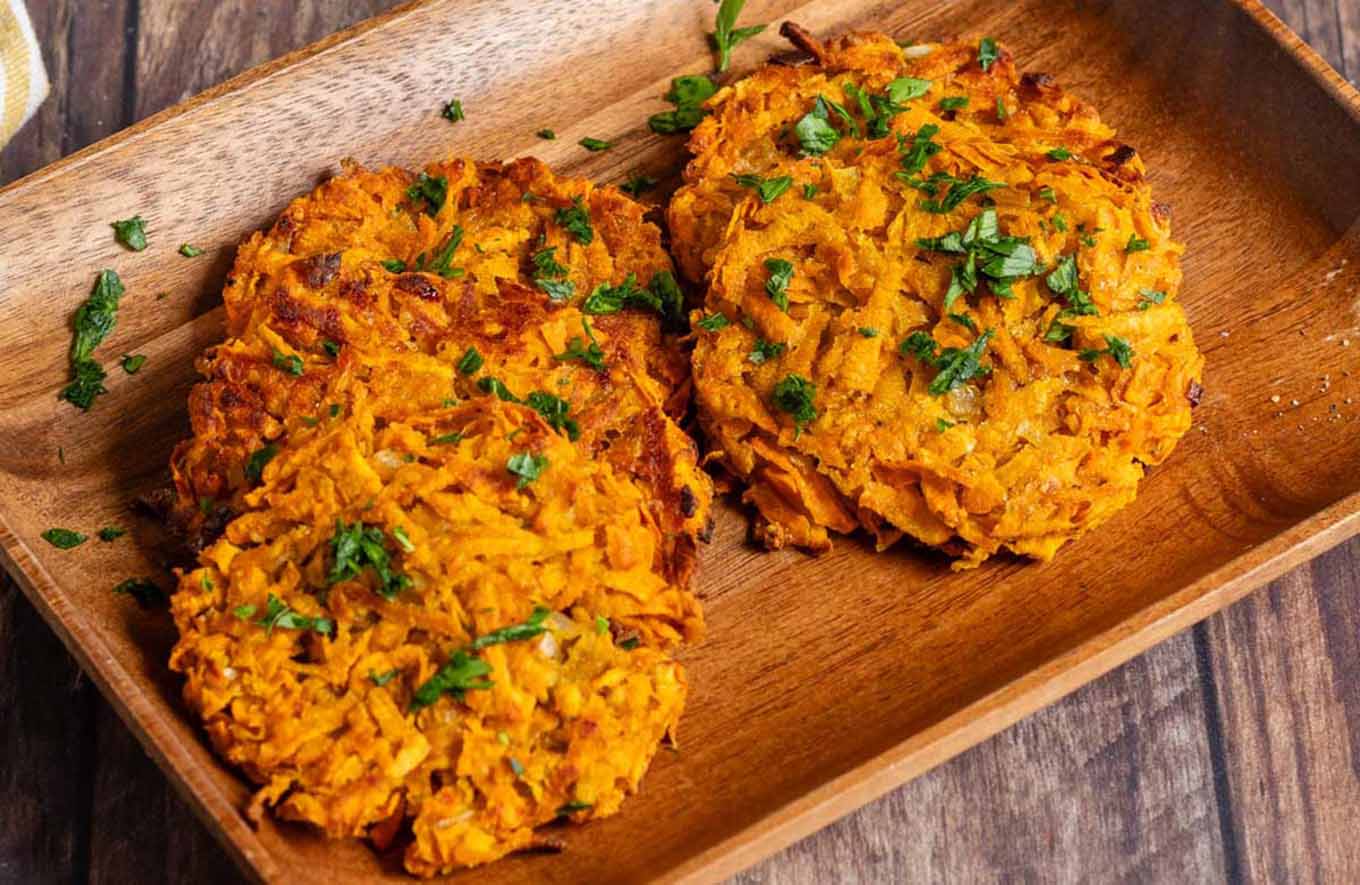
The breakfast menu spoke volumes. There was a Kūmara Hash Stack that came highly recommended by the server—crisp cubes of sweet potato lightly fried, stacked with wilted spinach, grilled halloumi, poached eggs, and a smoky harissa yogurt. A side of homemade beetroot relish added color and tang.
The dish danced between earthy and fiery, a harmony of old New Zealand roots and Middle Eastern flair. The kūmara, or sweet potato, has long been a staple in Māori cuisine. Here, it had been transformed, retaining its humble essence but elevated with thoughtful additions.
A flat white accompanied breakfast, naturally—Kiwi coffee culture demands it. Frothy, robust, and smooth, it served as a quiet reminder that even in the realm of drinks, tradition and innovation coexisted.
3. Local Markets: The Pulse of Community Flavor
No deep dive into a city’s food culture is complete without a visit to its local market. The Hamilton Farmers’ Market, held every Sunday in Claudelands, was bustling. Underneath white tents, producers from around the Waikato region displayed their treasures.
There was Rewarewa honey, thick and amber-dark, with a taste so rich it bordered on medicinal. The vendor explained its health benefits, sharing samples with the kind of pride that made you pause between spoonfuls. Nearby, a Māori elder was selling traditional rewena bread, a sourdough made using a fermented potato starter. Each loaf bore the uneven, handmade shape that signals authenticity.
A Vietnamese food truck offered pho and bánh mì, while a family-run Indian stall gave away free samples of their butter chicken. Just a few steps away, a young couple sold vegan feijoa cheesecakes, each slice topped with edible flowers and freeze-dried raspberries. The markets offered more than ingredients or ready-made meals; they offered stories.
4. Midday Discoveries: Inventiveness Over Lunch
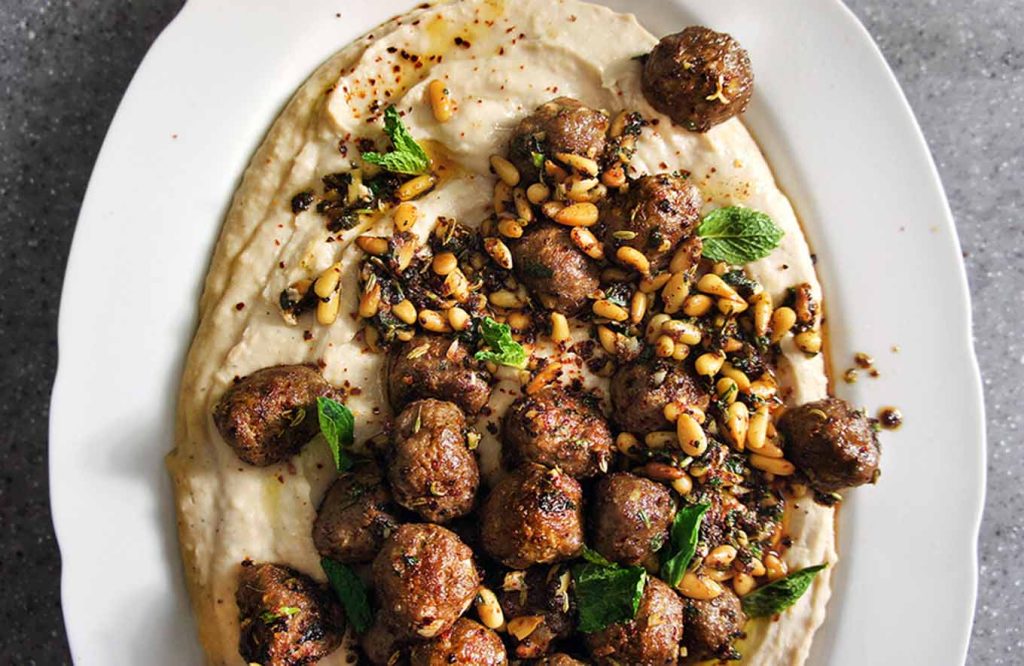
For lunch, Mr. Pickles on Casabella Lane served as a fine choice. Its ambiance was casual yet polished—open brick, dark timber, soft jazz murmuring in the background. The menu read like a challenge to the palate: familiar names with unusual twists.
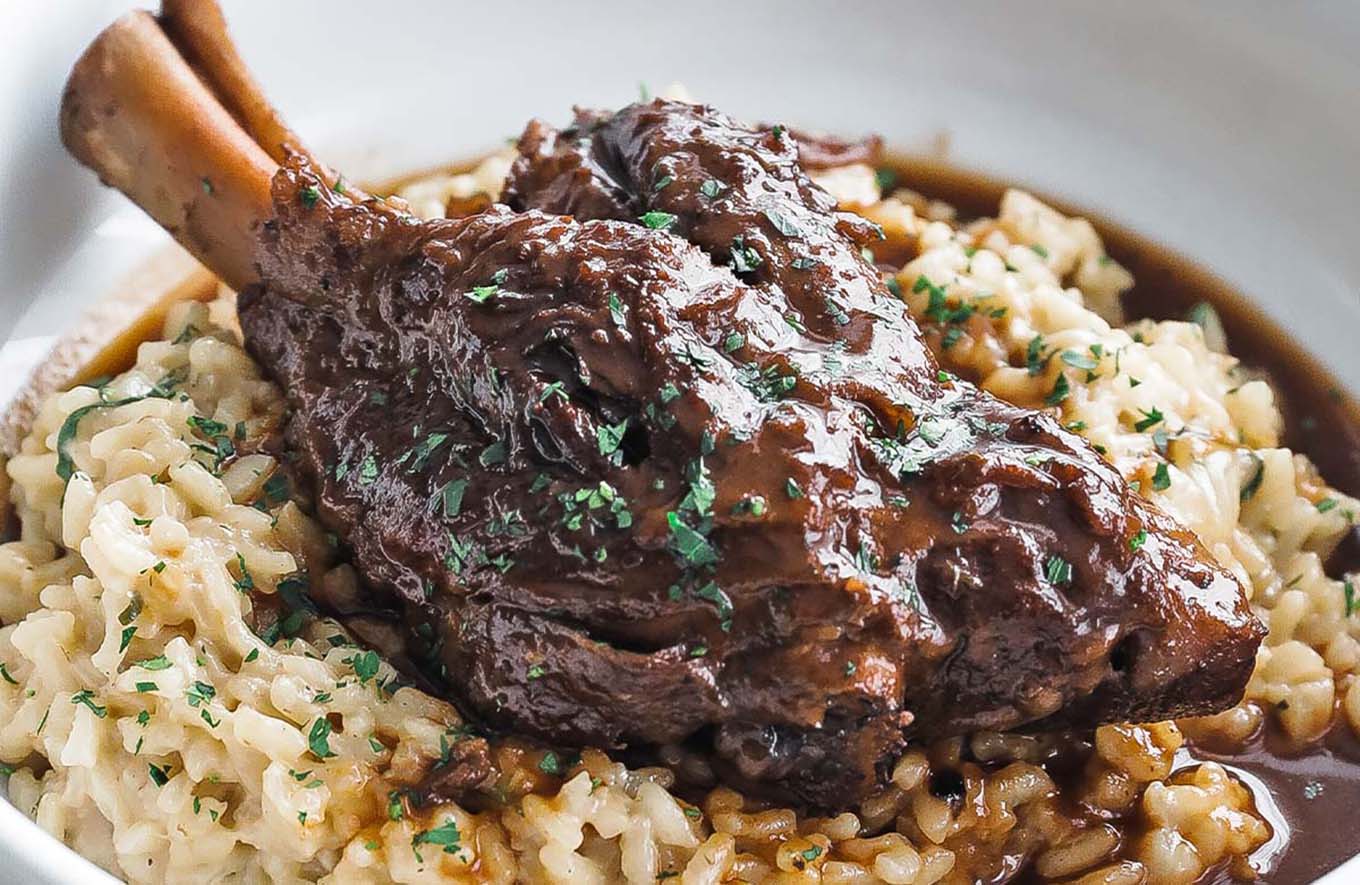
One standout was the Lamb Kofta with Kumara Purée and Pickled Shallots, garnished with microgreens and pomegranate seeds. The lamb was boldly spiced but not overpowering, while the sweetness of the kumara brought balance. The pickled shallots added acidity, and the pomegranate bursts offered a playful surprise.
A side order of Fried Brussel Sprouts with Miso Glaze earned its place at the table quickly. Crunchy, caramelized, and umami-rich, the dish defied its humble origins. The staff shared that the recipe was born from a collaborative effort in the kitchen, a blend of Japanese and Kiwi influences that had become a crowd favorite.
5. Afternoon Tea: Elegance with a Local Accent
Hamilton takes its tea traditions seriously. At Zealong Tea Estate, just a short drive from the city center, a sweeping view of the tea plantation greeted visitors. Rows of neatly trimmed tea bushes rippled with the breeze, backed by the distant profile of the Kaimai Ranges.
Afternoon tea at the estate’s restaurant was an experience unto itself. The three-tiered platter arrived with ceremony: Manuka-smoked salmon canapés, mini pork belly sliders, fluffy scones with clotted cream and local jam, and petite desserts inspired by seasonal fruits.
Their oolong tea, grown and harvested on-site, had a delicate floral note and a lingering sweetness. Sipping it on the veranda while overlooking the estate felt timeless, as though suspended between centuries.
6. Evening Ambitions: Dining with Drama and Detail
Dinner found its setting at Palate, a refined restaurant tucked near the riverbank. The interior was sleek and modern, with dark accents and panoramic windows offering a view of the river under a silvered moonlight.
The meal began with Venison Tartare, delicately plated with Jerusalem artichoke crisps and a hint of truffle oil. Each bite was nuanced, the flavors unfolding in stages—gamey, earthy, luxurious.
The main course featured Market Fish with Paua Emulsion and Agria Potato Galette. The paua, a native abalone, had been blended into a creamy emulsion that added a salty, briny depth to the delicate fish. The galette offered texture and substance, its crisp layers contrasting with the silken fish.
Dessert arrived as a Kawakawa Ice Cream with Burnt Meringue and Native Berry Compote. The kawakawa, a traditional medicinal plant, imparted a subtle peppery note that grounded the sweetness of the berries and the decadence of the meringue.
This was not just dinner. It was a narrative, plated with precision and intent.
7. Late-Night Cravings: Street Eats and Casual Surprises
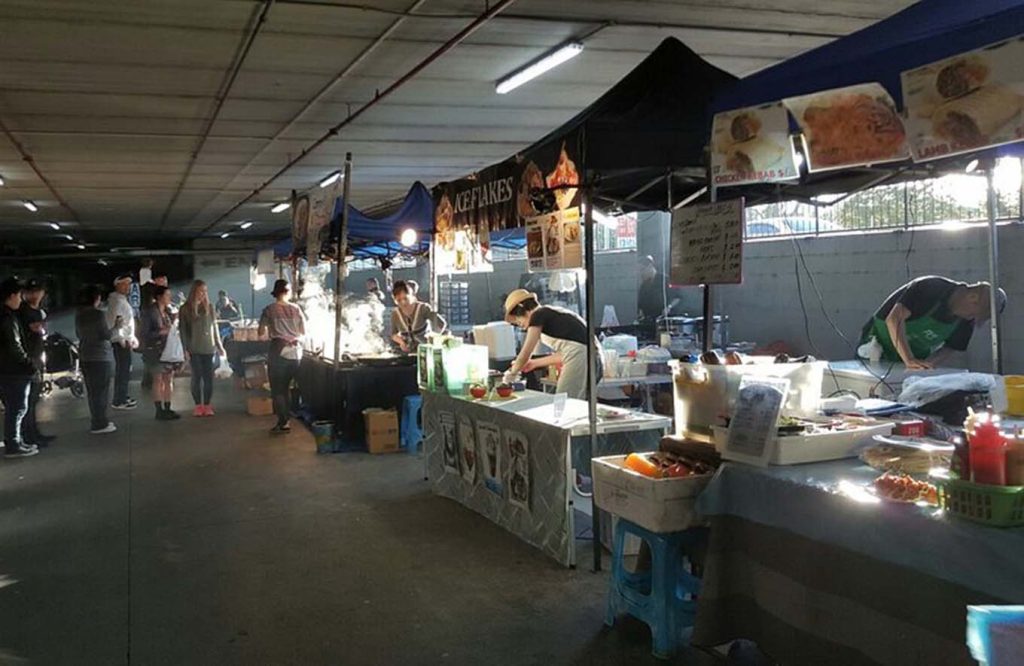
The post-dinner walk meandered toward the Victoria Street Night Market, which operates seasonally. The stalls lit up the darkened street with fairy lights and the warm glow of open woks and grills.
Kānga Waru, a Māori corn pudding, was offered in small portions—creamy, slightly sweet, and comfortingly warm. A Chilean food truck served empanadas, and there were Korean fried chicken bites that came with an addictive gochujang glaze.
The diversity of food reflected the diversity of the city. But beyond novelty, it was clear that each vendor cared deeply about their craft. This wasn’t fast food; this was fast passion.
8. Hidden Corners: Unexpected Finds in the Suburbs
One of the most delightful discoveries occurred far from the main streets. In the suburb of Frankton, a converted garage operated as Banh Mi Caphe, a Vietnamese eatery that blended Southeast Asian street food with Kiwi produce.
The Lemongrass Chicken Bánh Mì was crisp and aromatic, the bread baked in-house. Pickled carrot, daikon, cucumber, and fresh coriander burst with flavor. A side of Pork Belly Rice Paper Rolls came with a tamarind dipping sauce that was both tart and savory.
In another part of town, a Filipino-New Zealand fusion café called Halo Halo Hamilton offered a dessert made from coconut milk, jackfruit, sweet beans, shaved ice, and purple yam ice cream. The play of texture and temperature was surprisingly comforting on a warm day.
9. Māori Cuisine: Honoring the Past with a Contemporary Voice
No culinary exploration of Hamilton would be complete without an immersion in Māori cuisine. At Kaiwhenua, a pop-up dining experience often hosted in rotating locations, a Hāngi meal was prepared using traditional earth-oven techniques.
The meats—lamb, pork, and chicken—had been slow-cooked underground, tenderized by steam and earth. Root vegetables like kūmara and taro carried the scent of soil and smoke. Yet it wasn’t only about ancient techniques. The chefs added touches of modern presentation—apple gel dots, charred herbs, edible flowers—that made the plate as beautiful as it was satisfying.
Stories were shared with each course: of iwi (tribes), of land, of preservation and adaptation. The food tasted like legacy, served with pride and presence.
10. Where to Book: Reliable Dining Platforms
Hamilton’s culinary scene benefits from its embrace of modern conveniences. The most reliable platforms for booking tables and browsing menus include:
- First Table: Offers early dining discounts at participating restaurants.
- DishCult: Provides reviews, menus, and instant bookings for Hamilton’s top spots.
- TheFork NZ: Lists curated collections and trending eateries, useful for travelers seeking something specific.
- Uber Eats and Delivereasy: Ideal for those nights when dining out isn’t an option but the craving for Hamilton cuisine remains.
These platforms proved invaluable for securing reservations and discovering hidden gems.
11. A Living Menu: Cuisine as Expression
Wandering through Hamilton’s food scene is akin to browsing through an artist’s sketchbook. Some dishes are finished masterpieces; others are vibrant works in progress. There’s a clear respect for tradition, but an even more striking fearlessness in pushing boundaries.
Here, cuisine isn’t merely a necessity or a luxury—it’s a language, a declaration, a shared memory. Every plate tells a story. And those stories linger far beyond the final bite.