1. Arrival in the Northland Sun
The road into Kerikeri wound through a landscape brushed by early light. Long shadows stretched across the Northland hills, and citrus groves gave off a faint fragrance even before I rolled down the window. Nestled in the Bay of Islands, Kerikeri is more than just a charming town—it’s a living marketplace of flavor, craftsmanship, and a slower, richer way of life.
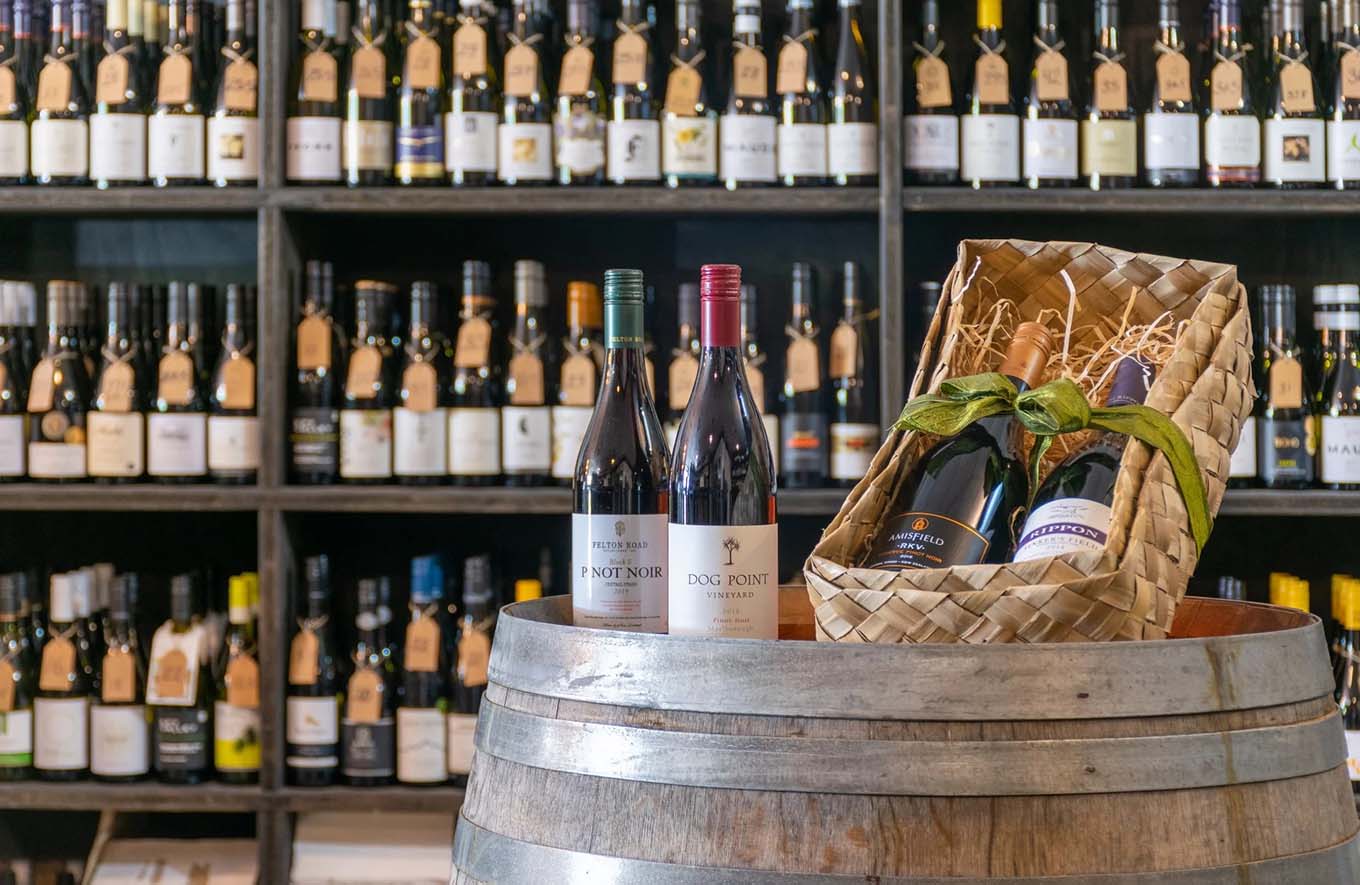
Upon arrival, there was a sense that time moved differently here. The sky seemed more generous with light, and the trees heavier with fruit. A place famous for its subtropical microclimate and fertile soils, Kerikeri has quietly become a hub for artisan producers—especially those crafting wine, honey, oils, and preserves. As the week unfolded, I found myself tracing a trail of bottles, jars, and tastings that revealed the town’s true spirit.
2. Vineyard Mornings: Tasting Kerikeri’s Terroir
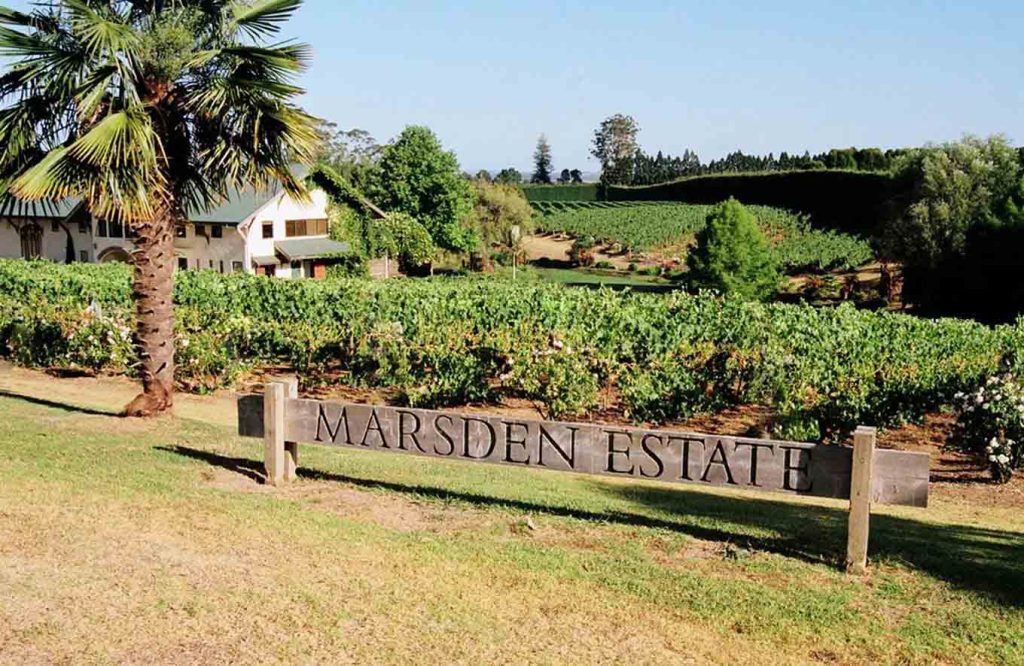
The first stop was Marsden Estate, a winery named after Reverend Samuel Marsden, who planted New Zealand’s first grapevines in the region in the early 1800s. Their garden courtyard opens onto a lily-dotted pond, and breakfast is served under a pergola wrapped in grapevines. The wine tasting began not with a clink of glasses, but with stories. The winemaker spoke about Kerikeri’s volcanic soils, warm days, and cool nights—conditions that make the region uniquely suited for growing Chambourcin, Syrah, and Pinot Gris.
The Chambourcin 2019 was a standout. Deeply hued, slightly peppery, it had a soft finish that matched perfectly with the duck liver pâté offered alongside. Not far down the road, Ake Ake Vineyard welcomed visitors with a more rustic charm. Their organically grown vines stretched in tidy rows across a north-facing slope. I tasted their Tempranillo while standing in the shade of an old olive tree, a moment that felt lifted from another era.
Each vineyard in Kerikeri presents its wines as chapters of a living narrative. Tannin structure, fermentation technique, barrel aging—these were more than technical terms; they were expressions of place and intention. The winemakers were less focused on following global trends and more concerned with coaxing out the natural character of each vintage.
3. Beyond the Bottle: Kerikeri’s Olive Oils and Vinegars
While wine put Kerikeri on the map for many, the oils and vinegars offered something arguably more intimate. At The Village Olive Grove, I met a couple who had converted their paddock into an olive orchard two decades ago. They now produce small-batch, cold-pressed olive oil that’s smooth and grassy, with a peppery finish that warms the back of the throat.
Tasting olive oil here isn’t just about dipping bread. It’s ceremonial. A small ceramic cup, gently warmed by hand, is swirled and inhaled. The aroma hits first—green apple, cut grass, a hint of almond. Then the sip, chased by a slow exhale. The oil was fresh, alive. The grower explained the difference between Arbequina and Frantoio varieties, letting me sample both side by side.
The same farm produced a lemon-infused extra virgin oil that elevated every bite of the salad I later prepared in my cottage kitchen. Across town, I stopped at Makana Confections, known for its chocolate but surprisingly innovative in its line of balsamic reductions, including a fig-infused vinegar that danced with sweetness and tartness in equal measure.
4. Sweet Gold: Manuka and Multifloral Honeys
Kerikeri’s bees are arguably as hardworking as its vintners. The Kauri Park Honey Centre displayed a dazzling array of golden hues—from the palest flax honey to the dense, toffee-colored Manuka. The staff explained how the unique antibacterial properties of Manuka honey, rated in UMF (Unique Manuka Factor), are tied to the Leptospermum scoparium bush, native to New Zealand.
Sampling the 15+ UMF was like experiencing a slow crescendo of flavor. Earthy, mineral-rich, slightly medicinal, and almost resinous—it bore no resemblance to commercial honeys found elsewhere. Their Rewarewa honey, darker and more floral, had hints of caramel and dried apricot. The honeycombs on display—cut fresh from hives in the nearby bush—gave a tactile, almost primal pleasure. Each chew released bursts of sweetness with a waxy finish.
Some jars were single-source, harvested from hives placed near specific blooms. The Clover and Kamahi blend, floral and buttery, paired perfectly with soft cheeses. Meanwhile, their beeswax candles and propolis sprays hinted at the deeper ecosystem surrounding the hives.
5. Citrus, Avocados, and The Tastes of the Orchard
On Sunday morning, the Old Packhouse Market buzzed with energy. Tables groaned under the weight of avocados, passionfruit, lemons, and feijoas. Kerikeri’s orchards, warmed by subtropical air and nurtured by volcanic soil, produce some of the country’s juiciest citrus. A local grower let me try a Meyer lemon, freshly sliced. Sweeter than the average lemon, with a thin, aromatic peel, it could almost be eaten like an orange.
The avocados were impossibly creamy. Many of the farmers had grown Hass and Reed varieties for years and now experimented with hybrids that carried names I had never heard before. A woman at one stall offered a taste of lime-avocado mousse served in tiny biodegradable spoons—bright, smooth, refreshing.
At the back of the market, a man in his seventies sold dehydrated fruit leather made from kiwifruit and tamarillo. The tamarillo version was tart, chewy, and highly addictive. His wife handed me a jar of preserved loquats that glowed like amber marbles in syrup. I had never tried loquats preserved in this way—they retained a hint of floral bitterness that made them ideal for spooning over ice cream or pairing with aged cheddar.
6. Artisan Cheeses and Farmhouse Traditions
Not far from the market, a narrow country road led to Mahoe Cheese, a family-owned dairy that had built a loyal following over the decades. The building smelled of curd and woodsmoke. Their aged gouda, cut into generous chunks and served with quince paste, crumbled slightly at the edges—a sign of careful aging. The washed-rind Cumin Gouda was flecked with whole seeds, releasing a warm, nutty aroma with each bite.
In the cool store, wheels of cheese rested under linen cloth, turned weekly by hand. Milk was sourced from their own herd, which grazed just across the fence. The soft-rind brie had a white bloom and a runny center, perfect when spread on seeded crackers from a nearby bakery stall. They also sold yogurt and halloumi, the latter squeaking lightly when grilled over a charcoal brazier in the garden.
7. Distilleries and Liqueurs: A Quiet Alchemy
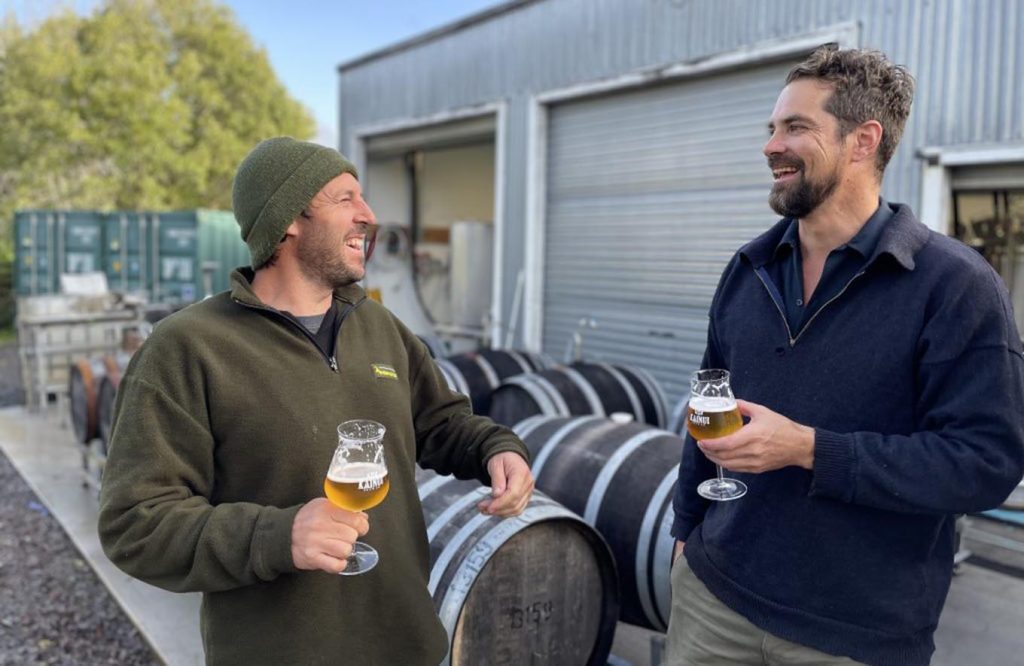
Though less widely advertised, Kerikeri’s small distilleries offered a quiet, refined kind of pleasure. Kainui Road Distillery had transformed a former barn into a tasting room with oak barrels stacked to the ceiling. They produced grape brandy, limoncello, and fruit liqueurs in limited batches.
The fig liqueur was rich and velvety, perfect for sipping after dinner. Their herbal digestif, made with locally grown botanicals, tasted of thyme, sage, and a faint whisper of orange peel. Bottles were hand-labeled, the wax seals applied one at a time. The air in the tasting room held the scent of spice, vanilla, and quiet patience.
8. Natural Skincare and Botanical Blends
The land here does more than feed—it also heals. Many local artisans make use of Kerikeri’s botanical bounty to produce soaps, lotions, and skin oils. At Living Nature, a company with deep roots in the region, I encountered a range of products made with Manuka oil, Harakeke (flax gel), and Totarol, an extract from ancient native trees.
The textures were rich without being greasy, and the scents evoked walks through damp forest trails. Manuka honey face masks, Kawakawa balm, and frangipani lotion bars were sold alongside hand-milled soaps shaped like river stones. Each item felt crafted with intention, a blend of ancestral knowledge and modern formulation.
9. Jams, Relishes, and the Art of Preservation
Preserving is an act of devotion. It takes ripe fruit at its peak and locks in a flavor that lasts through winter. Kerikeri’s jam makers treat this act with reverence. At Blue River Preserves, jars of fig and walnut chutney, blackberry and pinot jam, and lemon curd lined the shelves in neat rows.
Tasting them was a journey through summer. The plum and cardamom jam was dark and fragrant, ideal on buttered scones. The tomato kasundi, sharp with garlic and mustard seed, paired beautifully with grilled lamb. The shopkeeper, an older woman with hands stained by beetroot, let me try a spoonful of her experimental elderflower and pear jelly—delicate and translucent, with a perfume that lingered long after the sweetness faded.
10. Handcrafted Wares: Pottery, Wood, and Fiber
Food may be the star of Kerikeri, but the vessels and implements that accompany it deserve their own attention. Many of the local artisans produce clay platters, wooden cheeseboards, and woven flax baskets that marry function with form.
In a gallery just off Kerikeri Road, I found stoneware cups glazed in hues that echoed the bay waters, and hand-carved spoons made from native rimu. A local craftswoman explained how each flax fiber was soaked, split, softened, and woven into kitchen baskets used traditionally for steaming shellfish. Every piece held not just beauty but memory—a record of hands and time.